
Scaling Embodied AI for Autonomous Driving
How Wayve built production calibration infrastructure to support collecting training data 24/7
Embodied AI
Key Takeaways
MetriCal significantly reduced the time calibration engineers spent on day-to-day firefighting, shifting routine calibration activities to Operations teams and freeing engineers to focus on roadmap development
MetriCal’s calibration results enables confident model training and data supervision across Wayve's global fleet
Production-ready calibration workflows deployed across four international offices enable field engineers without PhD-level expertise to maintain fleet calibration
The Mission
The autonomous vehicle industry is undergoing a fundamental shift from rules-based systems to data-driven, AI-powered approaches. For companies building embodied AI systems that learn from real-world driving data, sensor calibration accuracy isn't just about sensor alignment: it's about ensuring that every frame of training data accurately represents the geometry of the world. As these companies scale to hundreds of vehicles collecting data continuously, calibration infrastructure becomes a strategic enabler of AI development itself.
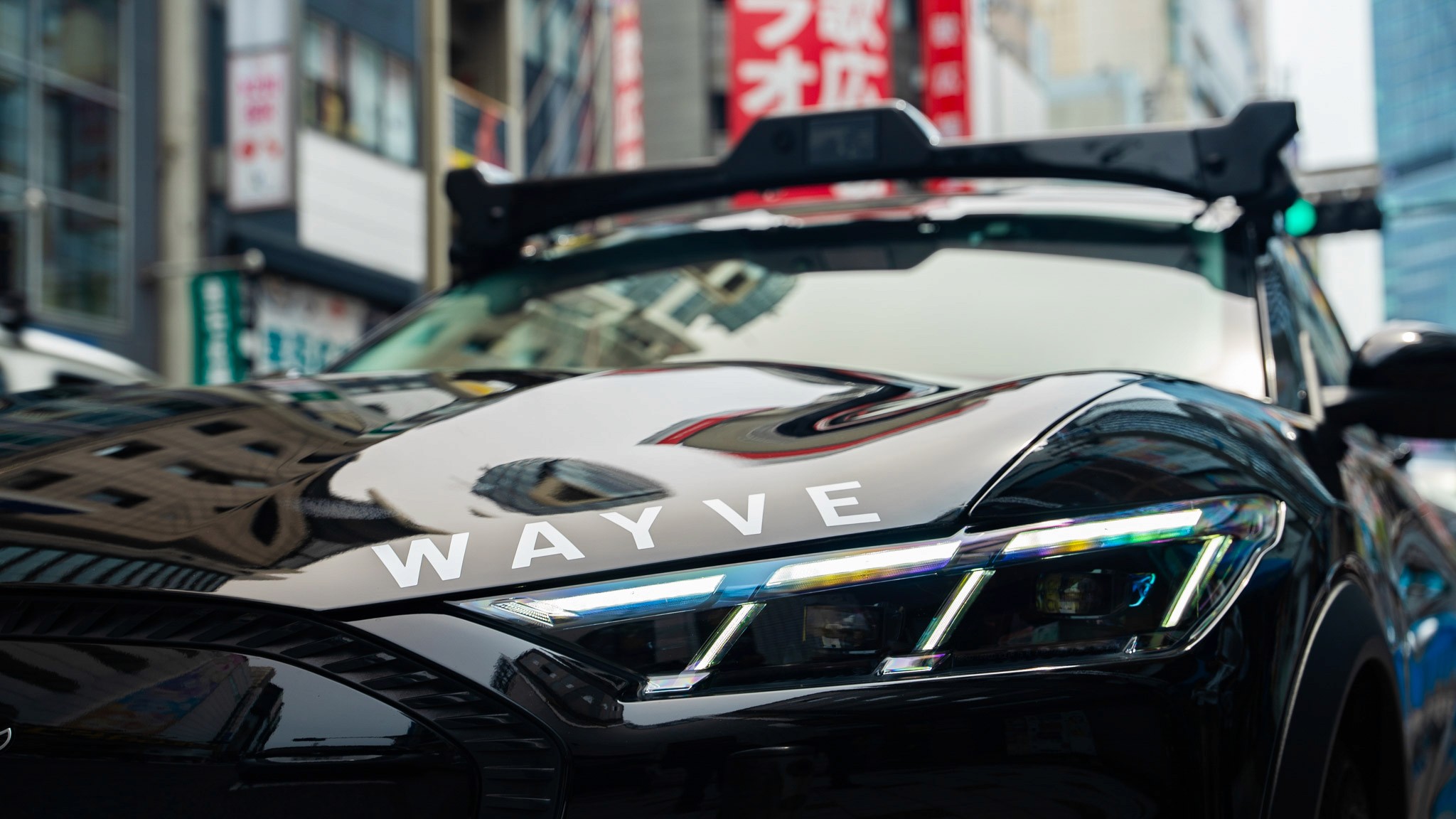
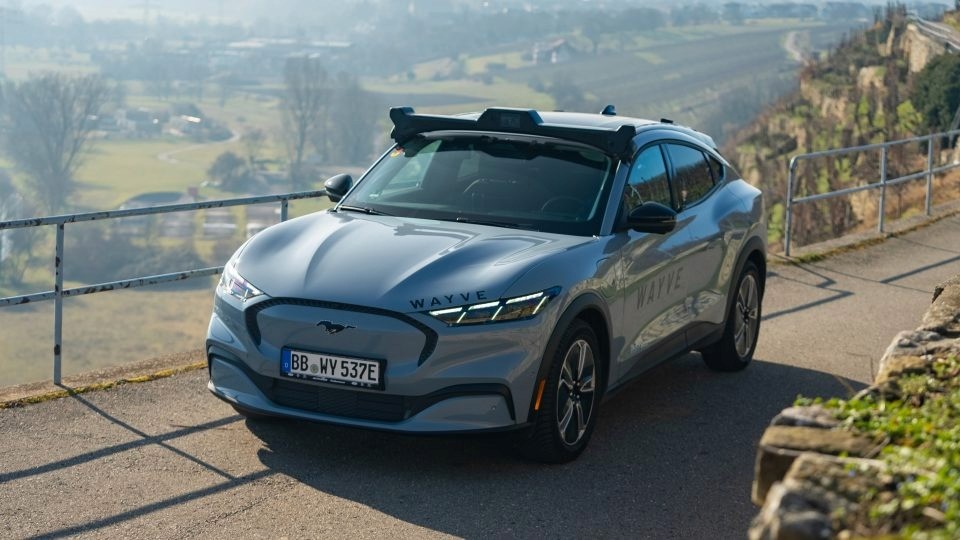
Wayve provides embodied AI autonomy for vehicles, starting with driving applications ranging from L2 driver assistance to L5 fully autonomous systems. Founded in 2017, the UK-based company has grown rapidly, with offices across London, Japan, California, Vancouver, Germany, and Israel.
Pablo Alcantarilla, Principal Engineer leading Wayve's sensor calibration and fusion team, describes the challenge they faced: "The scaling needs of the fleet were growing much faster than the number of calibration engineers. We needed something multimodal that could keep pace." This rapid growth presented a fundamental challenge.
"Before, we were firefighting every single day, averaging five hours a day. Now engineers can focus on roadmap items instead of constant troubleshooting."
- Pablo Alcantarilla, Principal Engineer
The Challenge
When Pablo joined Wayve in May 2024, the company was at an inflection point. The internal fleet was growing rapidly to support 24/7 data collection operations, with vehicle safety operators driving around collecting training data. This data feeds directly into model training and refinement; any calibration errors propagate into the AI models themselves.
Wayve initially prioritized targetless, offline camera calibration. As they scaled, however, they realized their existing approach wasn't sustainable:
No multimodal support: There was limited ability to calibrate diverse sensor configurations as new modalities were added
Expert-dependent workflows: Calibration required deep technical expertise, creating bottlenecks as the fleet scaled
Constant firefighting: Engineers spent approximately five hours per day troubleshooting calibration issues across the fleet
The engineering team recognized the need for a more structured and robust foundation to ensure consistency, repeatability, and stronger quality assurance.
Building Production Infrastructure
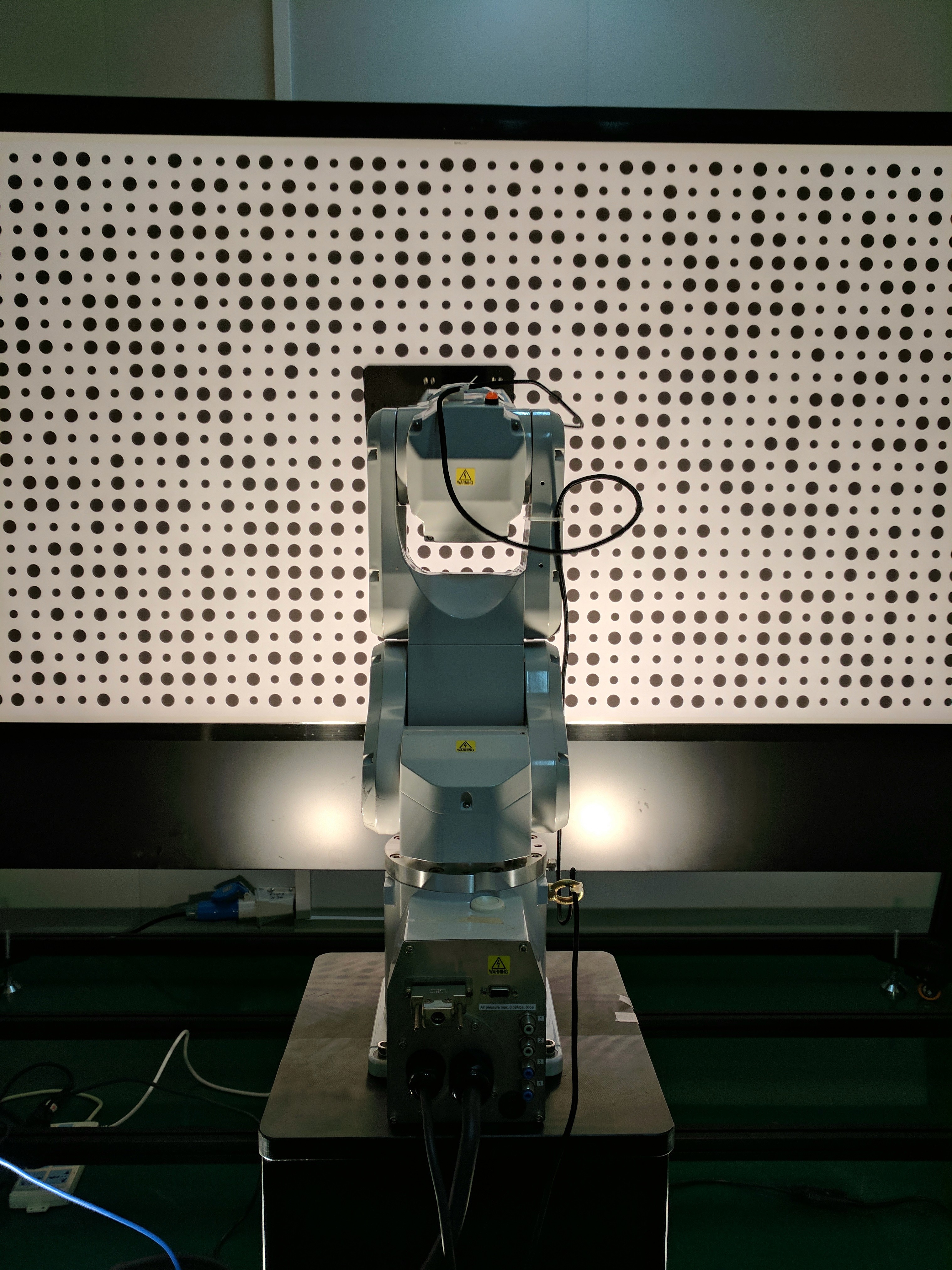
Wayve integrated MetriCal as their primary target-based calibration solution for cameras and LiDAR, establishing what Pablo calls the "first stage" of their calibration pipeline. This target-based foundation provides high-confidence initial calibration that serves multiple purposes throughout Wayve's operations.
The calibration workflow now operates in stages:
Target-based calibration: MetriCal provides initial camera and LiDAR calibration with strong geometric guarantees
Targetless refinement: Wayve's internally-developed algorithms refine modalities that change over time, like IMU orientation or steering biases
Continuous monitoring: Calibration quality metrics track drift and trigger recalibration when needed
Pablo emphasizes the value of this foundation: "MetriCal gives us confidence: this is the best possible calibration we can get as a starting point."
This approach enables Wayve to focus their specialized calibration expertise where it matters most: developing novel targetless methods rather than reinventing basic target-based workflows. The team has built camera-to-vehicle registration and is productionizing radar calibration on top of MetriCal's camera-LiDAR foundation.
Operationalizing Across Geographies
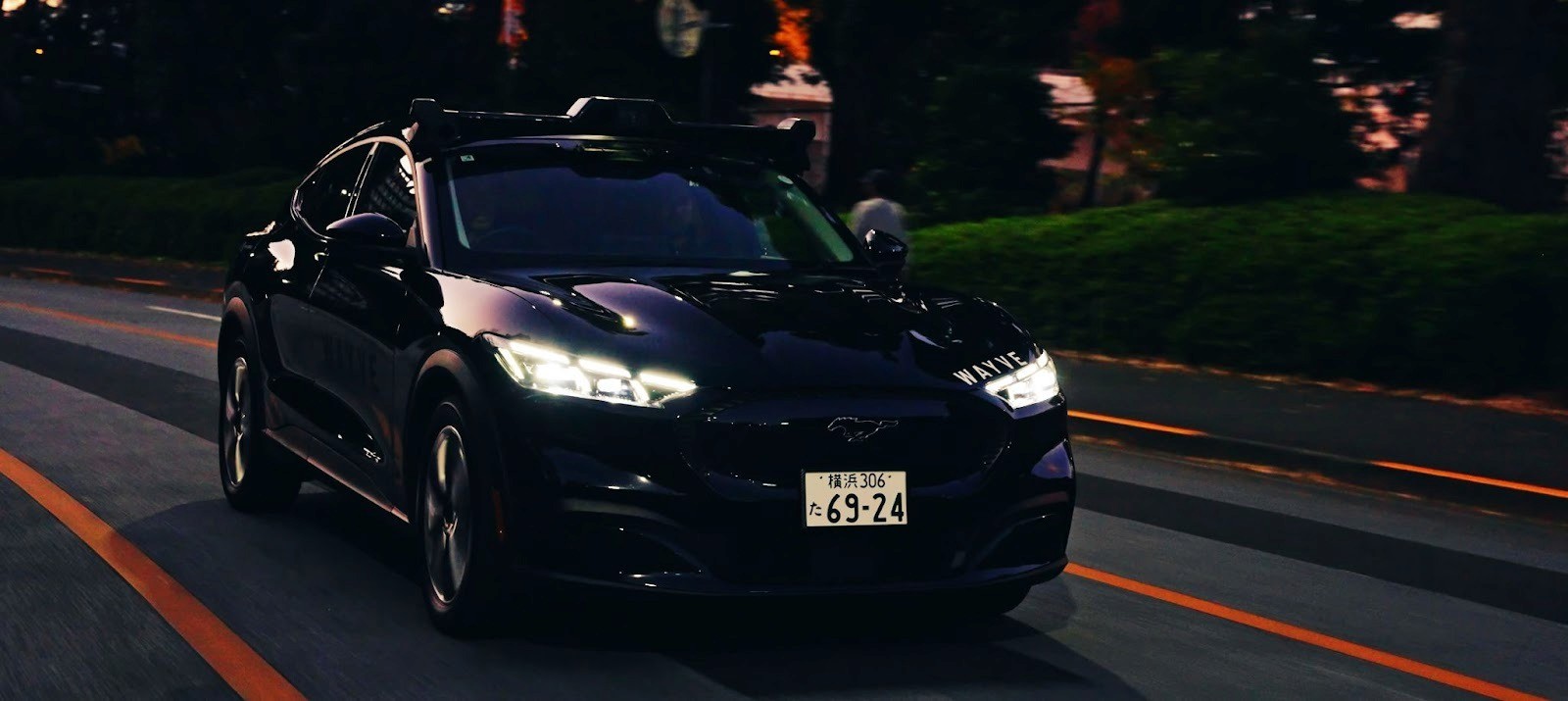
A critical requirement for Wayve was enabling calibration across their distributed global operations. With vehicle platforms from the internal fleet and multiple OEMs operating in London, Japan, California and Germany, calibration workflows needed to work consistently regardless of location or operator expertise.
Wayve developed Standard Operating Procedures (SOPs) built around MetriCal that field engineers can execute reliably. Pablo describes the transformation: "We provide training to field engineers, but now they are the owners of the calibration process. We ran training sessions on understanding MetriCal reporting, and now they can operate independently."
The operationalization strategy focuses on:
Simplified workflows: Technicians without sensor calibration backgrounds can successfully calibrate vehicles
Consistent procedures: SOPs that work across different vehicle platforms and sensor configurations
Quality monitoring: Automated metrics tracking calibration repeatability across the fleet
This approach reduced the constant firefighting that previously consumed five hours per day of engineering time. Pablo notes: "That really helped. Before, we had a team of three people and a fleet of vehicles. What can go wrong? Now, engineers can focus on developing new capabilities instead of daily troubleshooting."
Enabling AI Development at Scale
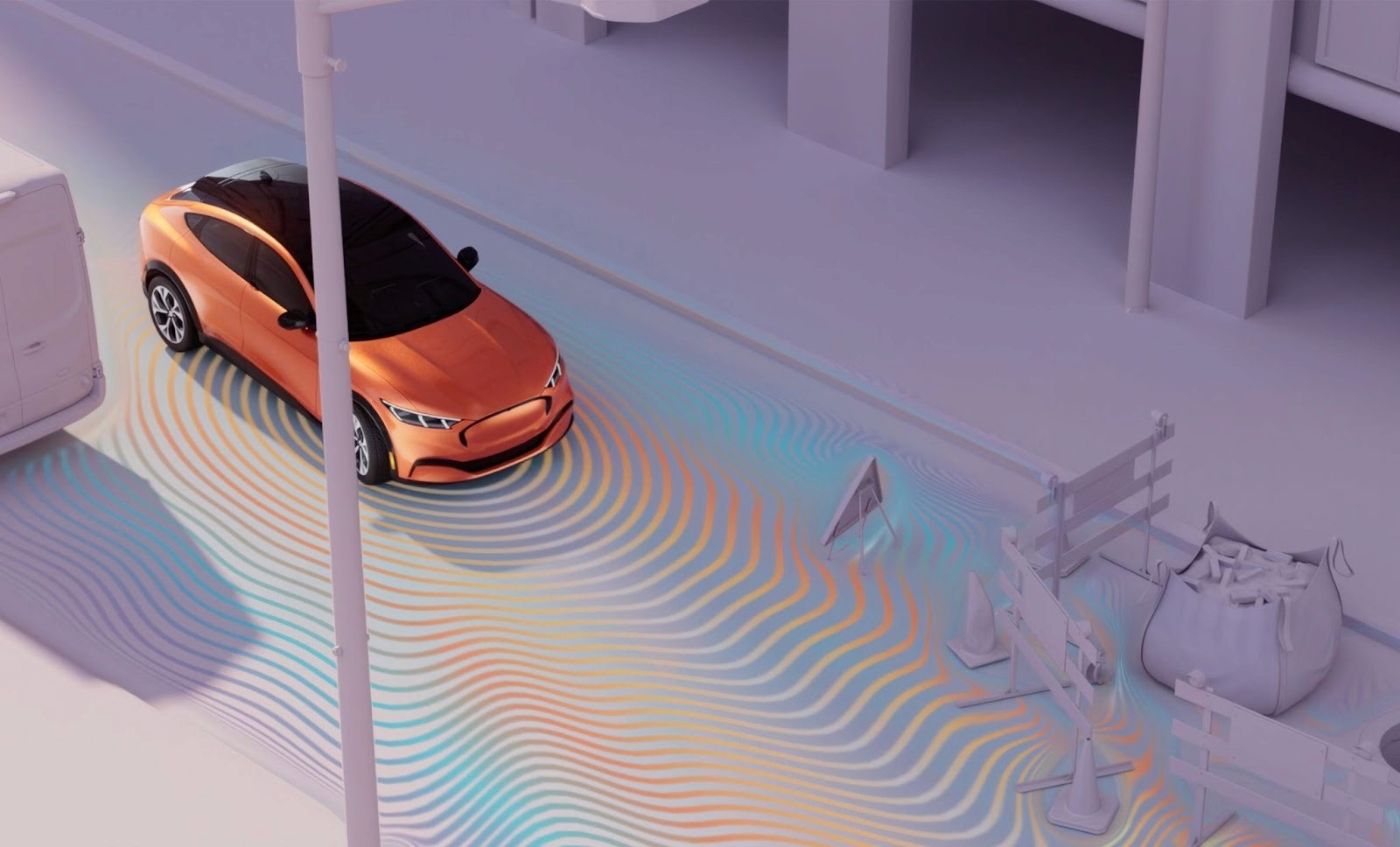
For Wayve, calibration accuracy directly impacts AI model development. The company operates a global fleet collecting training data 24/7, with operators driving to capture diverse scenarios and corrective actions. This data trains and refines the embodied AI models that power Wayve's autonomous driving capabilities.
Pablo explains the connection: "We use calibration for model training. It's also for visualization and trajectory overlays: that's one of the first things people notice when calibration is off. They'll say, 'The trajectory overlay doesn't correspond,' or 'There's a pitch issue.' That's the signal something is wrong."
MetriCal's impact on Wayve's operations includes:
Calibration quality monitoring: Metrics including field of view coverage, extrinsic repeatability, and variability across the fleet
Faster troubleshooting: When calibration issues arise, engineers can quickly identify and resolve problems rather than spending hours debugging
Confident model training: Strong geometric guarantees from target-based calibration ensure training data accurately represents real-world geometry
Reduced operational friction: Standard workflows that don't require PhD-level expertise to execute correctly
The company has expanded their sensor suite over time, and each expansion leverages MetriCal's multimodal capabilities to maintain calibration quality as sensor configurations evolve.
Partnership and Future Development
Wayve's collaboration with Tangram Vision reflects the company's pragmatic approach to building versus buying calibration infrastructure. Rather than spending six months developing custom solutions, Wayve adopted MetriCal and focused their engineering talent on unique calibration challenges like targetless radar calibration and camera to vehicle.
Pablo describes the working relationship: "We have a tool that works and moves the needle for us. We have a good working relationship with the Tangram team. Support is very quick, and we understand that it's an evolving product. Sometimes there will be bugs, but we have a good understanding of things that could happen in calibration."
This understanding comes from Pablo's background; having experienced firsthand at SLAMcore how customers can overreact to single edge cases, Wayve approaches calibration with realistic expectations about the complexity of production systems.
Scaling with Confidence
As Wayve continues scaling their embodied AI platform, calibration infrastructure remains a strategic enabler; it’ critical infrastructure that must work reliably at scale, but the cost must be proportional to the value delivered. For a company training AI models on data from operating 24/7, having calibration infrastructure that "just works" is worth the investment.
In Their Words
Pablo Alcantarilla
Principal Engineer, Sensor Calibration & Fusion
Pablo leads Wayve's sensor calibration and fusion team, overseeing target-based and targetless calibration infrastructure for the company's global fleet. His team supports global fleet vehicles, collecting training data across six international offices. Previously, Pablo led robotics initiatives at SLAMcore and worked on consumer robotics projects. He joined Wayve in May 2024 to build production-scale calibration capabilities for the company's rapidly growing autonomous vehicle operations.
Founded in 2017, Wayve is the leading developer of Embodied AI technology for automated driving. Its advanced AI software and foundation models for autonomy enable vehicles to perceive, understand, and navigate any environment, enhancing the usability and safety of autonomous driving systems. Wayve develops mapless and hardware-agnostic Embodied AI products for automakers and fleet owners, accelerating the path from assisted to automated driving. Backed by top investors like SoftBank Group, NVIDIA, Uber, and Eclipse Ventures, Wayve’s mission is to reimagine mobility with embodied intelligence.
Read More MetriCal Case Studies