MetriCal v18 Is Out!
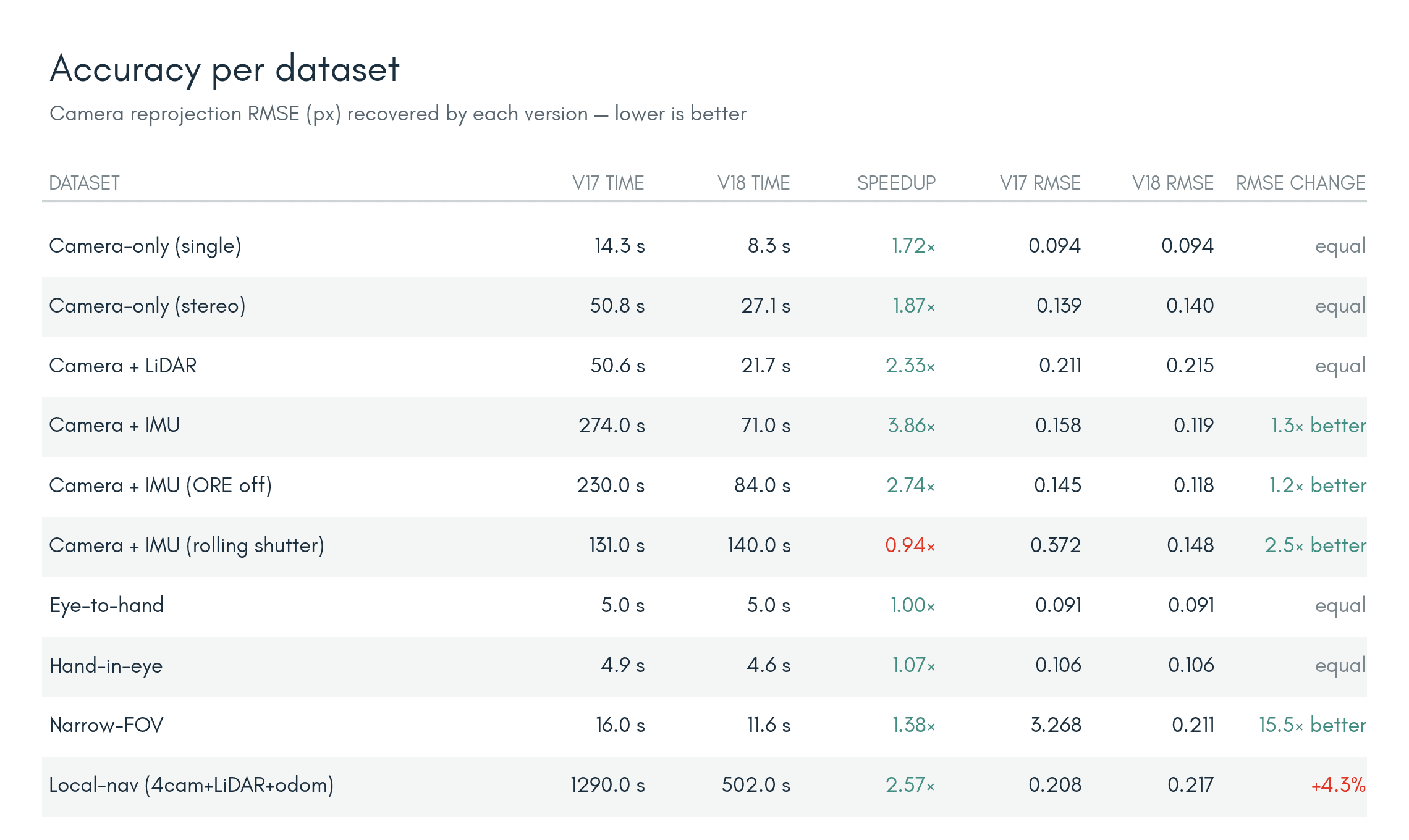
MetriCal v18 runs our calibration suite 2.4x faster than v17
Brandon Minor
CEO + Co-founder
Finally, after 4 months of work, MetriCal v18 is officially released. I always say that the newest release is our biggest release yet, and I realize that gets a little redundant after a while, BUT.
This is a pretty big release.
Here are the headlines:
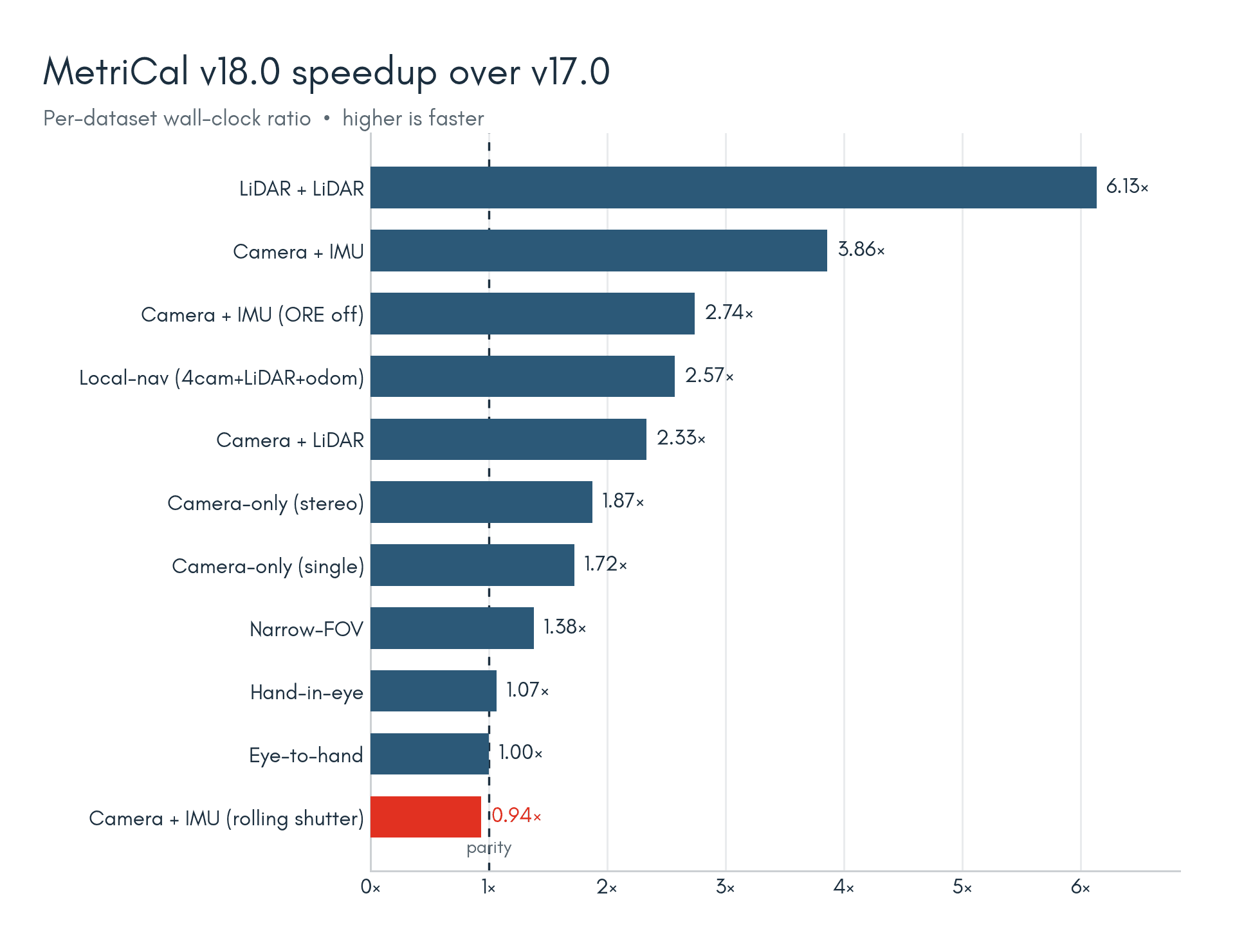
MetriCal v18 is f-a-s-t. It's an average of 2.4x faster end-to-end compared to its predecessor on our calibration guide datasets.
Hand-eye calibration is now at hand. eye.
Temporal offsets are calculated for all modalities, across all component pairs.
Rolling shutter is now compensated for during calibrations (when requested).
New target types, faster detectors.
…all without sacrificing the amazing accuracy that you've come to expect.
Download it here: https://docs.tangramvision.com/metrical/configuration/installation
Speed Is All We Know
MetriCal v18 introduces many small changes that, when deployed together, significantly speed up performance end-to-end. On average, v18 runs 2.4x faster on our calibration guide datasets than when using v17. This includes boosts to data ingress, detection, optimization, and metrics processing. The numbers tell the whole story:
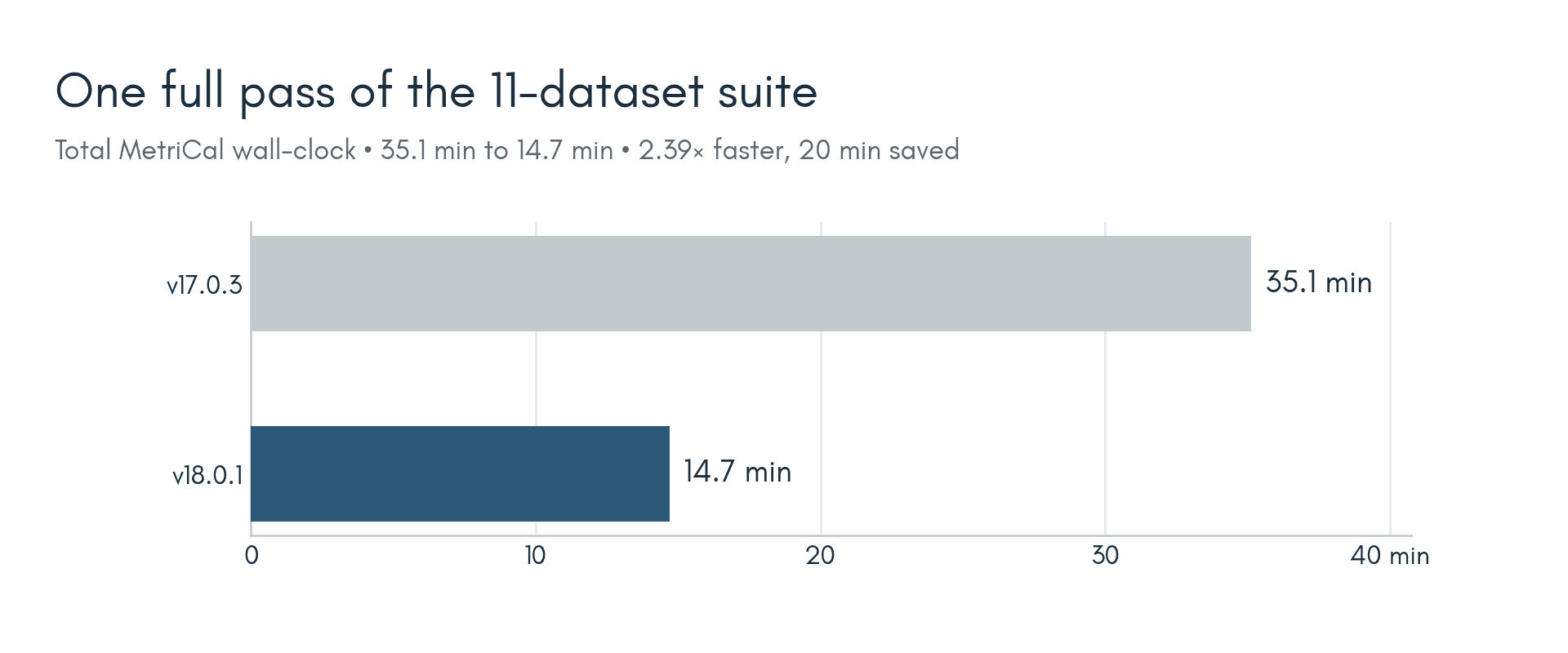
Unbeknownst to you, the Tangram team actually uses these same open datasets for regression testing as we develop. Every 35 minutes you spent going through the calibration guides was 35 minutes that we spent, too, except compounded for every feature and bug fix. In other words, our quest for speed is not entirely altruistic; it's for our own sanity. That same motivation will always push us to increase performance.
Oh, and yes: still pretty damn accurate.
Hand-Eye At Hand
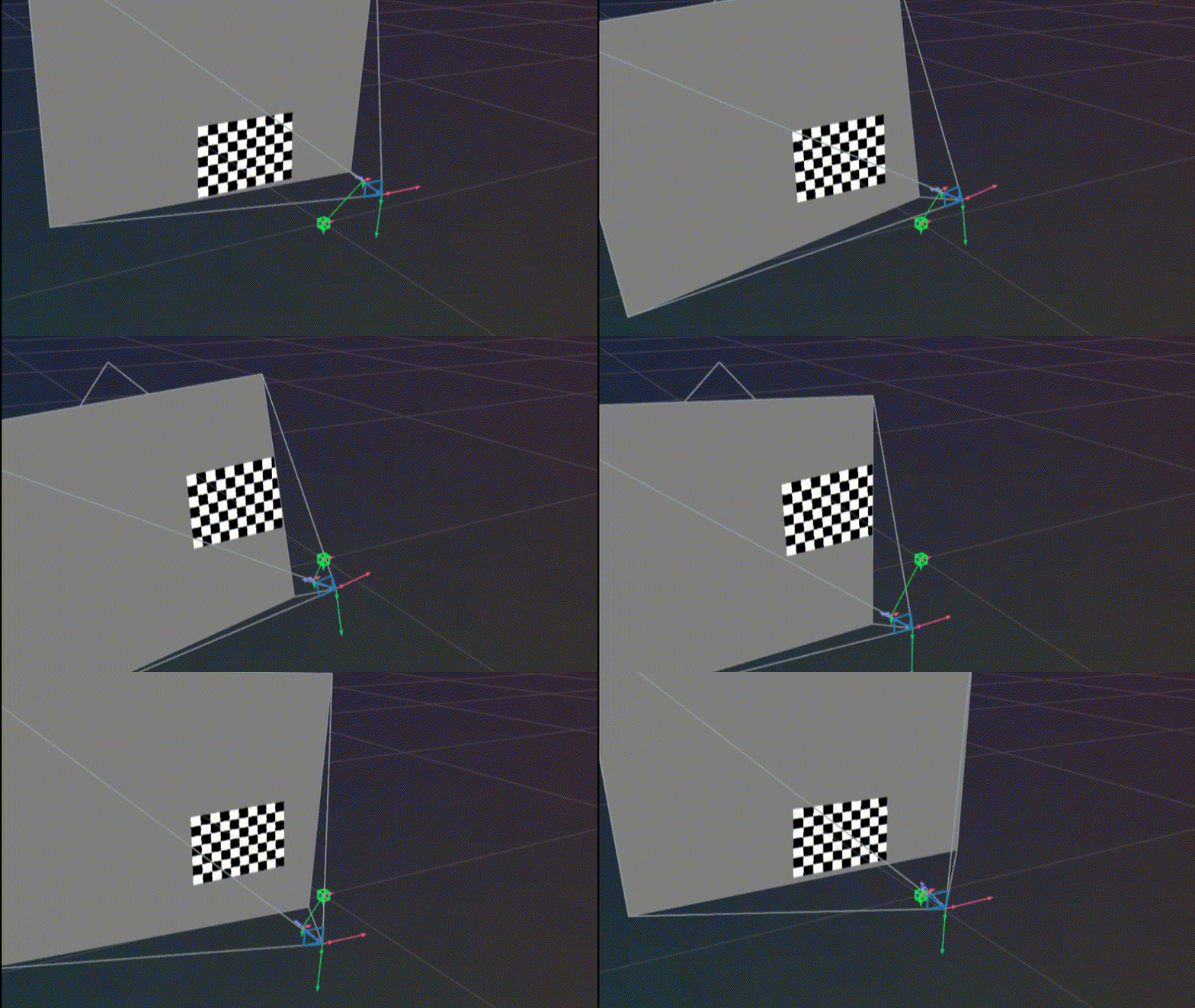
MetriCal is now capable of calibrating eye-in-hand and eye-to-hand configurations for robotic arms. This has been a long-requested feature from users. The only reason we hadn't added it yet was because we didn't know how to make it a pleasant user experience.
The introduction of system specifications provided a solution. Through the system spec, you can now specify a transform tree to calibrate via your base (what doesn't move), your tool (what does move), and the type of mount (eye-in-hand, eye-to-hand). This makes it easy to set-and-forget when calibrating a whole fleet of arms.
Here are a few delightfully mesmerizing gifs in celebration.

You can run through our guide on hand-eye calibrations here.
Time Offsets
This is a big one. Up until v18, MetriCal relied on you to provide synchronized observations across all sensors for the best accuracy. As you can imagine, sync is a difficult problem to solve holistically and left more than a few users out of luck. Heck, sometimes just streaming all of your sensors is hard enough.
Well, our long national nightmare is over. MetriCal now estimates time offsets between all streaming sensors and reports those offsets to you.
You can then apply those offsets to a calibration using the time-sync flag when running the calibrate command. We've left this as a user option for now, since this result can change depending on the quality of the data (as with all calibration parameters). Up to you; sometimes knowing there are offsets at all is half the battle.
Find more on that feature here.
Rolling Shutter
Rolling shutter is the bane of camera calibrations everywhere. MetriCal v18 now has an opt-in option for cameras designating them as "Rolling". When this happens, we do a little bit more math to optimize it out during the intrinsic calibration. Note that we don't profile the characteristics of that rolling shutter effect; we just work to prevent it from corrupting the calibration results entirely.
To see this in action, check out our Rolling Shutter guide here.
Random Grid Targets
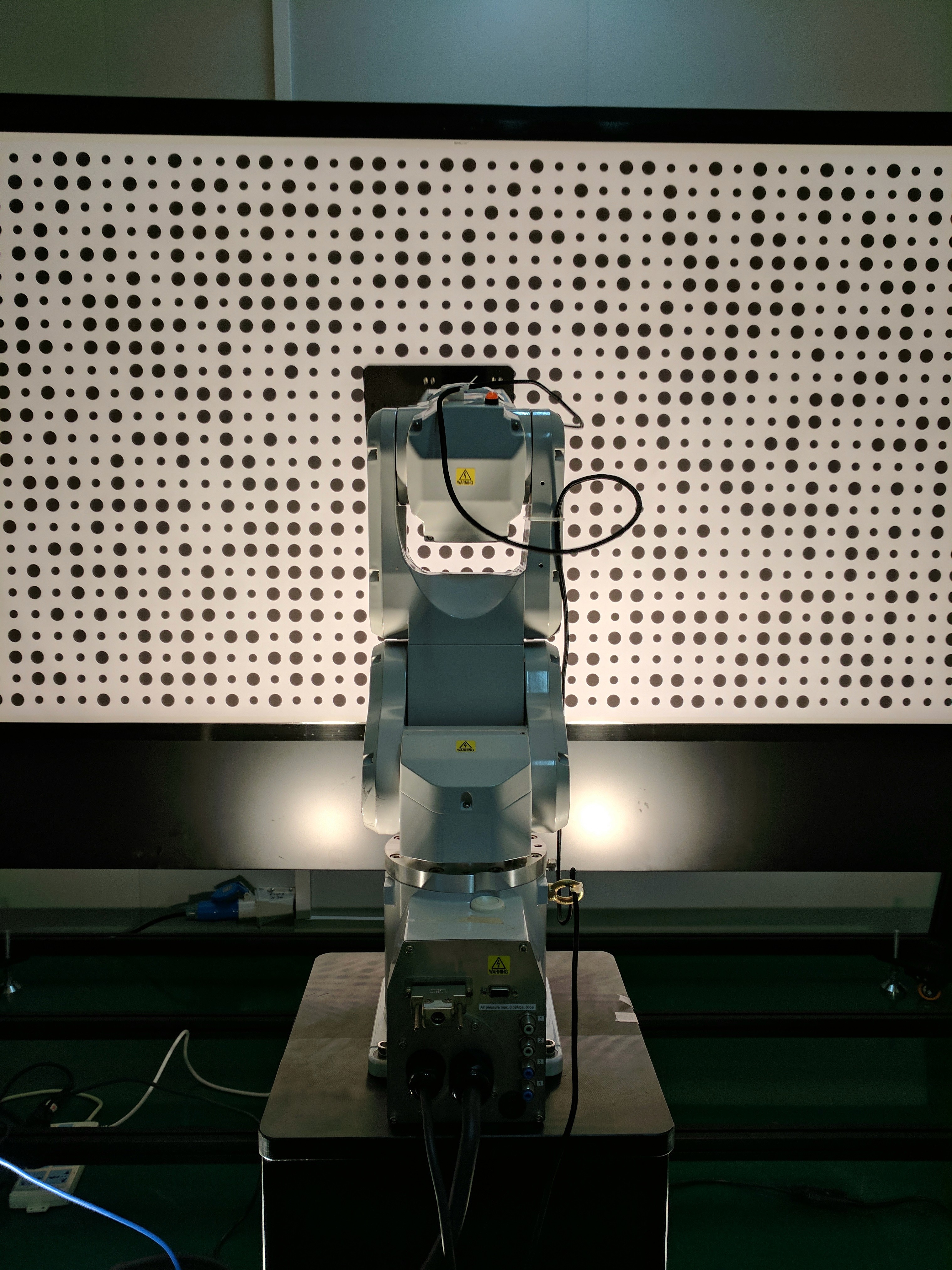
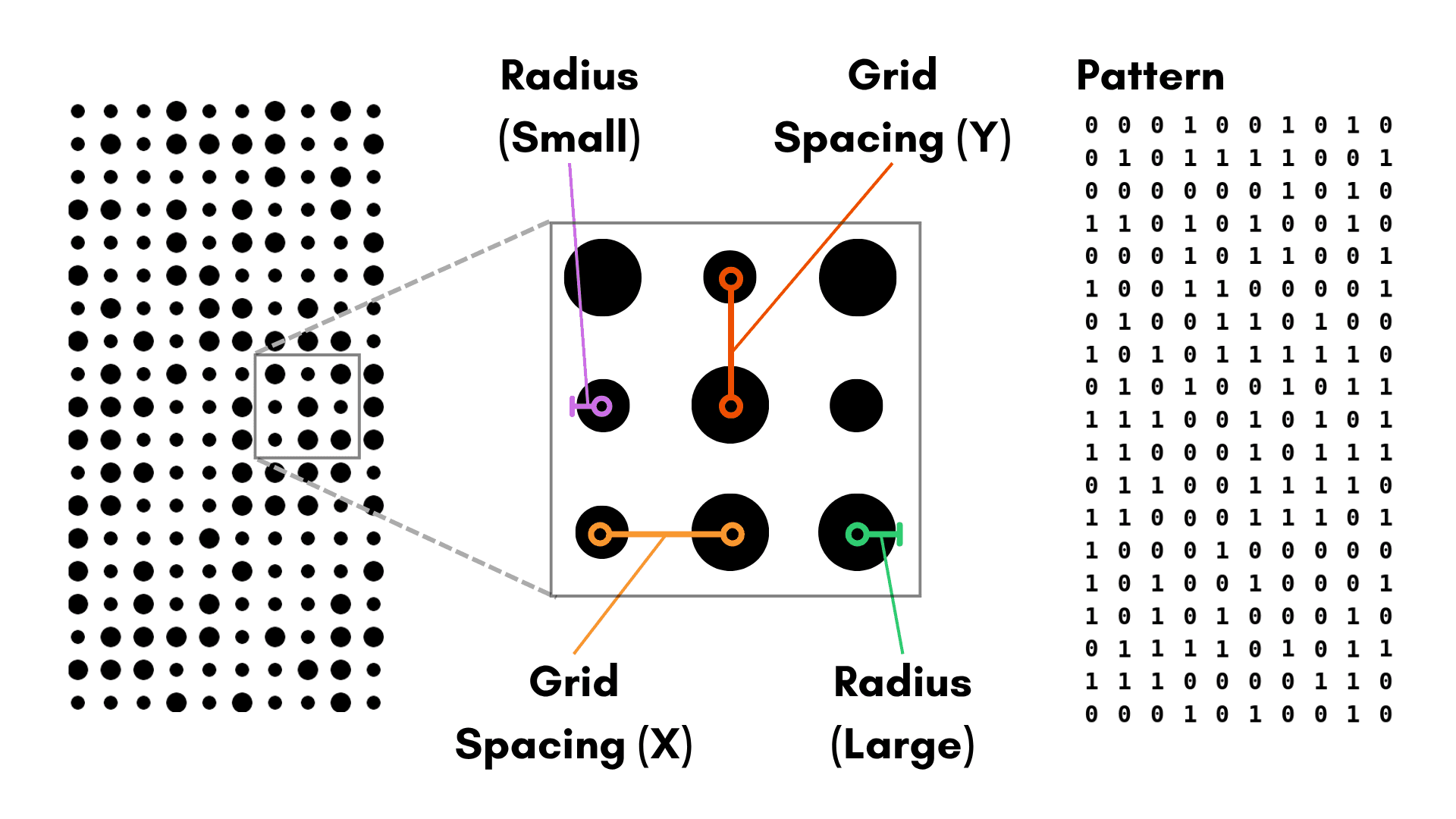
MetriCal v18 also introduces a brand new(-to-us) detector: Random Grids. This aptly named detector identifies random grids of small and large circles. There is no restriction on the pattern, other than there be a maximum of two circle sizes present and those circles are arranged in a regular grid.
This detector is adapted from the Calibu detector pattern, and was done so with permission from the Autonomous Robotics and Perception Group at CU Boulder. Thanks, ARPG!
You can learn how to configure your own random grid targets in the documentation.
…And More
As always, there's a lot more to this release than just the above. We encourage you to check out the full changelogs if you're curious. Just make sure to get yourself a cup of tea before sitting to read it; it might take you a while to go through all the improvements. We hope that you continue to enjoy using MetriCal for your perception calibration needs.
In other news, AutoCal is being put through its paces as we speak. If you're looking for calibration solutions for either production line or deployment settings, email info@tangramvision.com and let us know how we can work together.
In the meantime, you know where we'll be!
…
…deep in the computer vision mines, of course.